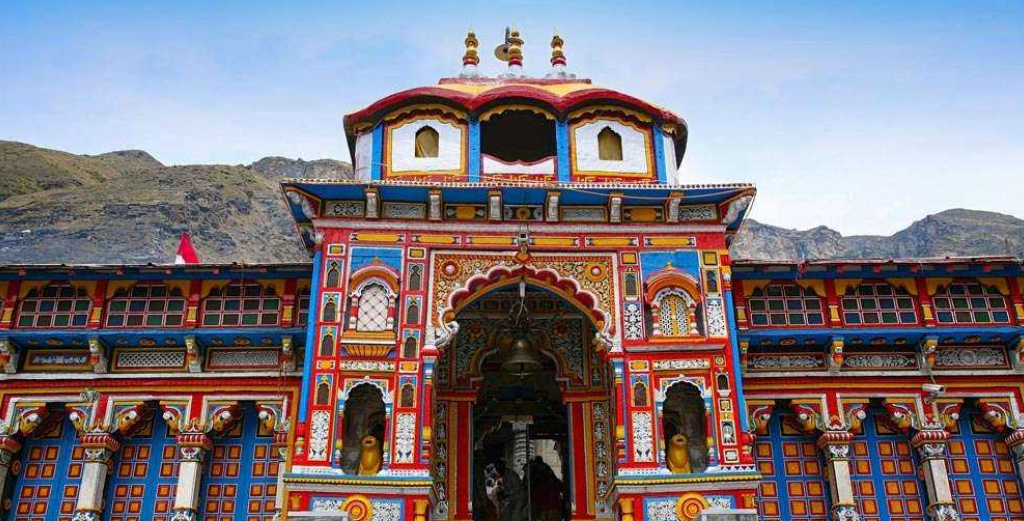
- 3 Days / 2 Nights
- Badrinath
Tour Overview
Uttarakhand, also known as Devbhoomi or the Land of Gods, is home to numerous
temples and welcomes devotees all year round. Among the countless religious sites and
circuits that devotees visit in Uttarakhand, one of the most prominent is the Do Dham Yatra. This Yatra or pilgrimage is a tour of one holy site –Badrinath – nestled high up in the Himalayas.
The high-altitude shrines remain shut for around six months every year, opening in summers (April or May) and closing with the onset of winter (October or November). It is believed that one should complete the Char Dham Yatra in a clockwise direction. Hence, the pilgrimage starts from Yamunotri and finally ends at Badrinath. The journey can be completed by road
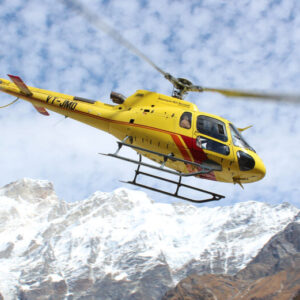
or by air (helicopter services are available).
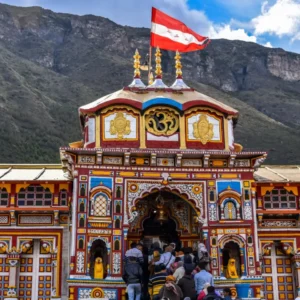
Badrinath, home to the sacred Badrinarayan Temple, is dedicated to Lord Vishnu. The Do Dham Yatra is as divine as it is arduous but fulfills the soul!
Days Itinerary
Early morning, pilgrims after having a bath in the Taptkund have the Darshan of Badrivishal. Brahamakapal is significant for Pinddan Shraddh of ancestors (Pitrus). There is another interesting sightseeing spot like Mana, Vyas Gufa, Maatamoorti, Charanpaduka, Bhimkund, and the Mukh of the Saraswati River.
Sighteeing
Panch Prayag Darshan
The Panch Prayag are the five sacred river confluences of the holy Alaknanda River, which hold immense spiritual significance in Hinduism. A pilgrimage to these prayags is considered highly auspicious.
1. Devprayag
Devprayag is the sacred confluence of the Alaknanda and Bhagirathi Rivers. It is at this holy junction that the river is officially known as the Ganga. The spiritual atmosphere of Devprayag makes it one of the most revered pilgrimage sites in Uttarakhand.
2. Rudraprayag
Rudraprayag is named after Lord Shiva (Rudra). Here, the Alaknanda and Mandakini Rivers merge together. From Rudraprayag, the Alaknanda continues its journey and later meets the Bhagirathi at Devprayag to form the holy Ganga River.
3. Karnaprayag
Karnaprayag is the confluence of the Alaknanda and Pindar Rivers. The Pindar River is also known as Karna Ganga. This sacred place is associated with Karna, the legendary warrior from the Mahabharata, and is believed to be a powerful spiritual center.
4. Nandaprayag
Nandaprayag marks the confluence of the Alaknanda and Nandakini Rivers. Surrounded by serene Himalayan landscapes, this prayag offers a peaceful and spiritually uplifting experience for devotees and travelers alike.
5. Vishnuprayag
Vishnuprayag is the holy confluence of the Alaknanda and Dhauliganga Rivers. It is believed to be blessed by Lord Vishnu, and the meeting of these rivers creates a deeply spiritual and scenic environment.
Dhari Devi Temple Darshan
The Dhari Devi Temple is situated on the banks of the sacred Alaknanda River. The temple enshrines the upper half of Goddess Dhari Devi’s idol, while the lower half is worshipped at Kalimath in the form of Goddess Kali.
Goddess Dhari Devi is revered as the guardian deity of Uttarakhand and is believed to protect the holy Char Dham shrines. The temple is considered one of the 108 Shakti Peeths in India and holds great religious importance.
Mana Village – The First Village of India
Mana Village is located at the confluence of the Alaknanda and Saraswati Rivers, near the Indo-Tibetan border, approximately 26 km from the India–Tibet frontier. The village is named after
Manik Shah, a devotee of Lord Shiva.
Mana Village is deeply connected with the Mahabharata. It is home to the sacred Vyas Gufa, where Maharishi Ved Vyasa is believed to have composed the epic Mahabharata. Nearby is the Ganesh Gufa, where Lord Ganesha is believed to have written the Mahabharata as dictated by Ved Vyasa.
The village offers a unique blend of spirituality, mythology, and breathtaking Himalayan beauty, making it an essential part of the Badrinath pilgrimage.